
The Spring Reset: Lymphatic Drainage, Gut Health & Sustainable Nutrition.
The Spring Reset: Lymphatic Drainage, Gut Health & Sustainable Nutrition. Home / Blog As a
Massage Therapy In Marylebone, London By Marta
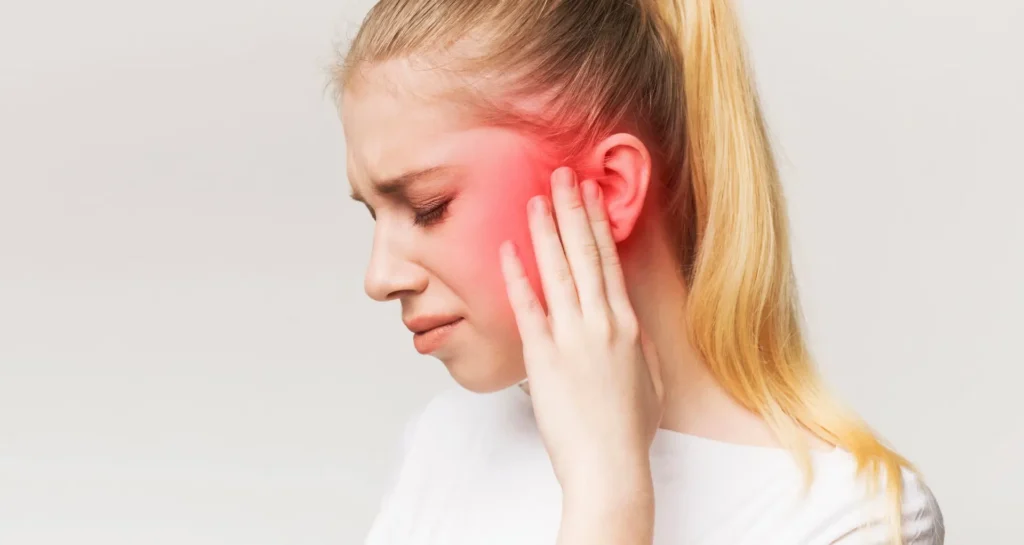
TMJ symptoms can be surprisingly broad: one day it’s jaw pain when you chew, the next it’s a headache around your temples, earache, or a clicking sound when you open your mouth. These symptoms are often linked to temporomandibular disorders (TMD)—issues affecting the jaw joint and the muscles that control jaw movement.
This guide breaks down the most common TMJ disorder symptoms, what can trigger them, how to manage TMJ symptoms at home, and where Buccal massage may fit as supportive care—especially when stress, clenching, posture, and muscle tension are part of the picture.
Your temporomandibular joints sit just in front of your ears and help your jaw open, close, and glide. When people say “I have TMJ,” they usually mean TMD—a group of conditions affecting the joint, the disc inside it, and/or the surrounding muscles.
One important note: clicking or popping without pain can be common and may not need treatment. The combination of pain, restriction, locking, or quality-of-life impact is what usually matters most.
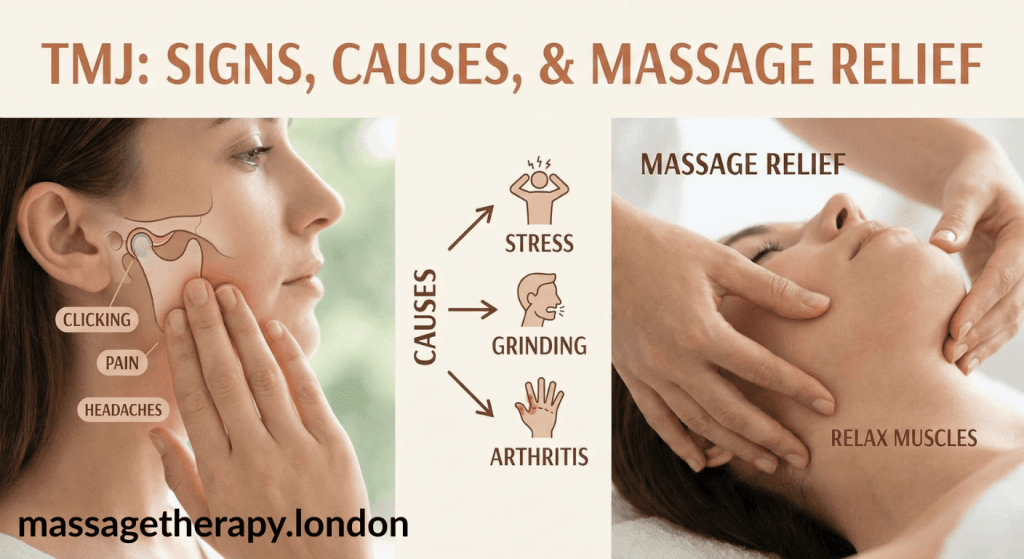
The most common TMJ symptoms are:
Some people notice the pain more on one side, especially if they chew predominantly on one side or clench more on one side.
You might notice:
If you have clicking with no pain and no restriction, that alone is less concerning. If you have clicking plus pain, locking, or you can’t open normally, that’s more consistent with clinically meaningful TMJ disorder symptoms.
Many people with TMJ symptoms report:
It’s common to be confused by ear symptoms. TMJ symptoms ear-related can include:
If ear symptoms are prominent, it’s still worth checking for ear infection or other ear causes—especially if you also have fever, discharge, or sudden hearing loss.
People search “TMJ nerve damage symptoms” because jaw pain can feel sharp, burning, or radiating. But true nerve damage signs are not the classic presentation of TMD.
Consider getting assessed promptly if you notice:
These aren’t “normal TMJ symptoms” and deserve medical evaluation to rule out other causes.
If you grind your teeth, wake up with a stiff jaw, or experience clicking and aching around the joint, you might be asking whether buccal massage for TMJ is worth trying.
Evidence from small clinical trials on intraoral myofascial therapy suggests improvements in jaw pain, mouth opening and overall function compared with no treatment, especially when combined with education and self-care.
However, it’s important to be realistic:
In clinic, I find buccal massage especially helpful for clients whose jaw tension is driven by stress and posture and who already follow advice from their dentist or doctor.
Sometimes jaw pain is blamed on TMJ disorders when the cause is actually dental or infectious.
Seek urgent dental/medical advice if you have jaw pain plus:
Infections (including dental abscesses) require professional treatment—massage is not appropriate as a substitute in those situations.
TMJ disorders can be multifactorial. Common causes and contributors include:
Bruxism (clenching and grinding)
Night-time grinding or day-time clenching can overload jaw muscles and irritate the joint.
Stress and jaw tension
Stress can increase muscle tension and clenching—many people notice TMJ symptoms flare during high-stress periods.
Injury, arthritis, and wear-and-tear
A blow to the jaw/face, arthritis, or joint wear can all contribute.
Posture and the neck/shoulder connection
Forward-head posture and chronically tight neck/shoulder muscles can feed into jaw tension patterns. Cleveland Clinic specifically highlights posture as a factor that can worsen TMD habits and symptoms.
Most reputable sources emphasise conservative self-care first.
Soft-food strategy (give your jaw a break)
Try a short “jaw rest” period:
Heat vs ice
Some people prefer heat for muscle tightness; others prefer cold for acute soreness. The NHS suggests using a heat pack or ice pack (wrapped) based on what feels better.
Gentle self-massage + relaxation
The NHS explicitly lists massaging painful jaw muscles and finding ways to relax as self-care steps.
Keep it gentle—think “soothing,” not “digging in.”
Habits to stop (the big TMJ symptom triggers)
Common “don’ts” include:
If symptoms persist, worsen, or significantly affect daily life, a GP, dentist, or physiotherapist may help.
How it’s assessed
Diagnosis is usually based on history and exam; imaging is sometimes used if needed.
Mouthguards / splints
These are often used when grinding/clenching is involved (especially at night). Evidence varies, and fit/appropriateness matters.
Manual therapy
Conservative care often includes jaw exercises and manual approaches. NIDCR notes that one type of physical therapy is manual therapy, which has been shown to help improve function and relieve pain.
Medication
OTC anti-inflammatories may help some people (if appropriate for you), and clinicians may suggest other options based on the presentation.
Why conservative care comes first
NIDCR strongly recommends avoiding treatments that permanently change the bite/jaw or involve surgery unless clearly indicated—because evidence is lacking for many invasive approaches and risks can be significant.
Massage isn’t a “cure” for TMJ disorders—but it can be a useful supportive tool when muscle tension, stress, posture, and clenching are driving symptoms.
What Buccal massage focuses on
A good TMJ-focused approach typically considers:
Jaw self-massage is already part of NHS self-care
The NHS includes “massage the painful jaw muscles” as a self-management step—so professionally delivered soft tissue work can be thought of as an extension of conservative care for the muscular component.
Intra-oral (buccal) techniques
For some clients, intra-oral (buccal) work may help release tension in specific chewing muscles. This should be:
How many sessions?
For muscle-driven TMJ symptoms, people often notice:
If symptoms don’t improve, or if they worsen, it’s a sign to reassess and involve a dentist/GP/manual therapis.
If you’re searching “TMJ disorders near me,” a practical order is:
What are TMJ symptoms?
TMJ symptoms commonly include jaw pain/tenderness, clicking or popping, headaches (often temples), difficulty opening fully, and sometimes ear-related symptoms like earache or ringing.
What causes TMJ disorders?
Common contributors include clenching/grinding, stress, injury, arthritis, and habits/posture that increase jaw muscle tension.
Can stress contribute to TMJ symptoms?
Yes—stress can increase jaw tension and clenching, and many people feel symptoms worsen during stressful periods.
How to relax TMJ symptoms quickly?
Start conservatively: jaw rest (soft foods), heat or cold (whichever feels better), gentle jaw self-massage, and relaxation techniques.
How to manage TMJ symptoms at home?
Avoid gum and nail biting, don’t yawn too wide, keep teeth apart when not eating, use heat/ice, eat softer foods, and reduce clenching triggers.
Can TMJ cause ear pain or ringing?
It can. Earache, tinnitus, and dizziness are reported in TMD presentations, but persistent or severe ear symptoms still warrant medical/dental assessment to rule out other causes.
When should I seek urgent help?
If you can’t eat/drink, your jaw is locking severely, symptoms are intense, or you have vision problems/severe headaches or other red flags, seek urgent advice.
Book Buccal massage in London
If your TMJ symptoms feel driven by tight jaw muscles, stress, and neck/shoulder tension, a targeted massage approach may help reduce strain and support your wider care plan.
Book your massage session in London today and let’s create a calm, practical plan for jaw and upper-body tension relief.

Marta Suchanska is the founder of MɅSSɅGE, a Certified Massage Therapist, Nutritional Therapist, and final-year student of Osteopathic Medicine based in Marylebone, London. With over 10 years of experience, she specialises in a holistic, personalised approach to women’s health and chronic pain. Marta’s mission is to address root causes, helping clients restore balance and long-term wellbeing.
Book Your Massage in Marylebone
Ready to experience the benefits of regular massage?
Book your personalised session at our Marylebone clinic today.
Call us or use our online booking system to schedule your appointment and start your wellness journey.
The Spring Reset: Lymphatic Drainage, Gut Health & Sustainable Nutrition. Home / Blog As a
Deep Tissue Massage London vs Myofascial Release London: An Expert Guide Home / Blog If