Is Manual Lymphatic Drainage the Right Massage Treatment for You?
Lymphatic Drainage Massage London: Benefits, Technique & When It Helps
If you’re searching for lymphatic drainage massage London, you’re likely looking for a gentler style of bodywork that reduces swelling, eases puffiness and supports recovery—without the deep pressure of sports or deep‑tissue work. Below, we explain what lymphatic drainage massage (also called manual lymphatic drainage, or MLD) is, who benefits most, who should avoid it, and what to expect when you book in London.
What is lymphatic drainage massage?
Lymphatic drainage massage is a light, rhythmical technique that encourages excess fluid to move towards working lymph nodes so your body can process it and reduce swelling. It’s widely used to support lymphoedema management and post‑surgical recovery, and it feels very different to firm, muscle‑focused treatments.
How it works (gentle, rhythmic technique)
Unlike blood circulation, the lymphatic system has no central pump; it relies on vessel contractions, breathing and movement. LDM/MLD uses very light pressure with precise, rhythmic strokes to stimulate superficial lymph vessels and redirect fluid towards drainage areas—principles popularised by the Dr Vodder method. For a clinical overview, see the Cleveland Clinic and NHS resources.
Lymphatic drainage vs regular massage
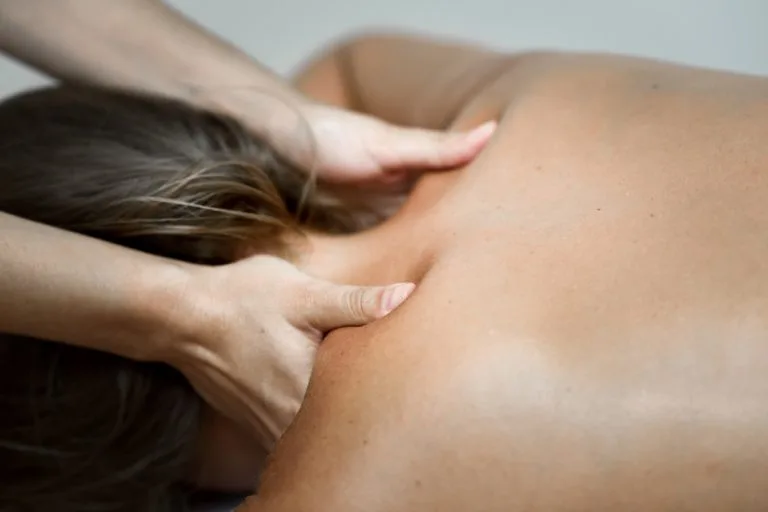
Traditional massages (e.g., deep tissue) target muscle tension using firmer pressure. LDM focuses on skin‑level techniques, prioritising fluid movement, down‑regulating the nervous system and supporting gentle de‑puffing—ideal when strong pressure would be uncomfortable or counter‑productive.
Benefits of lymphatic drainage massage (for London clients)
While everybody is different, clients commonly book lymphatic drainage massage in London for:
Post‑surgery recovery (including liposuction & facelifts)
Surgeons often recommend a series of MLD sessions after procedures such as liposuction, BBL and facelifts to manage swelling and improve comfort. Always obtain your clinician’s approval and follow their protocol.
Lymphoedema & fluid retention
As part of decongestive lymphatic therapy (DLT), MLD is used alongside compression, skin care and exercise to help control lymphoedema. Your clinician may also teach simple lymphatic drainage (SLD) techniques to do at home between sessions.
Face puffiness & sinus pressure
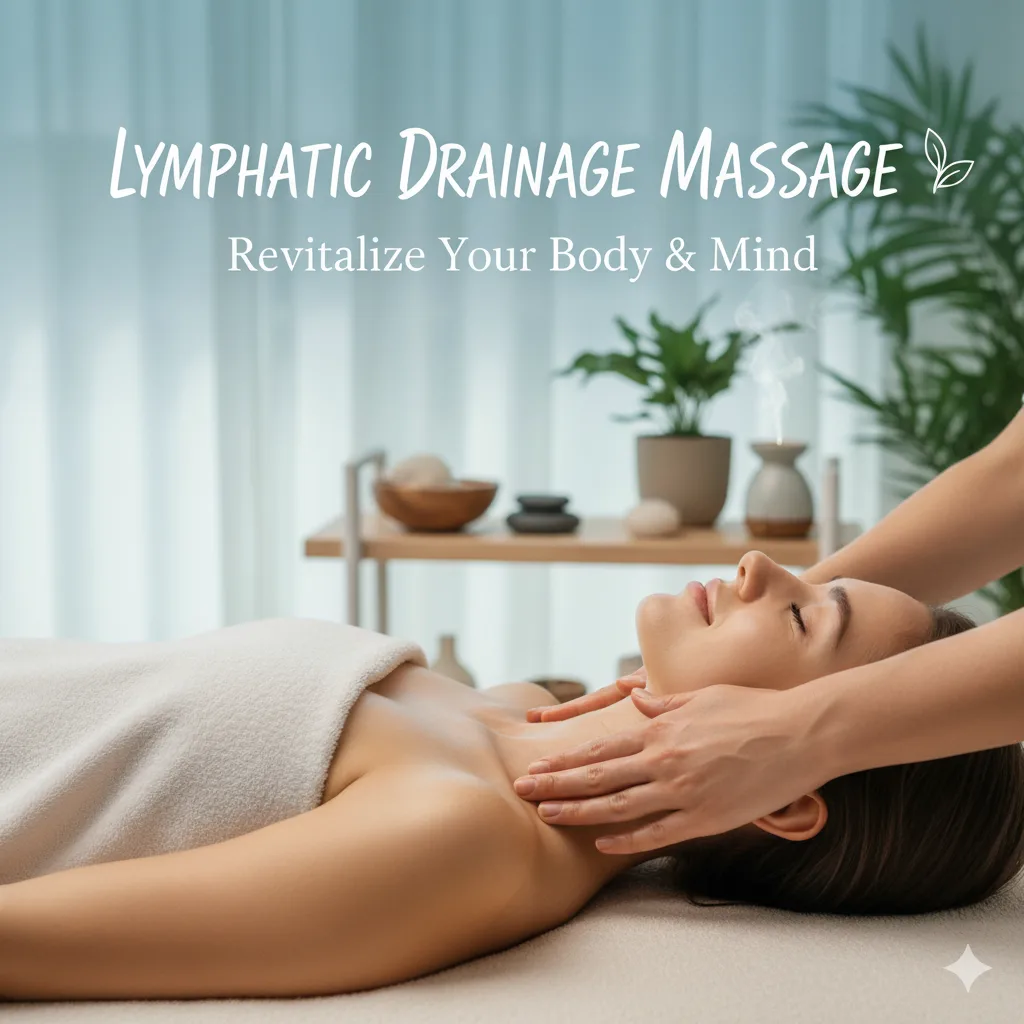
“Lymphatic drainage face” treatments use the same gentle principles to address morning puffiness or sinus congestion and can be a soothing option for desk‑bound Londoners who feel puffy after travel or long hours.
Relaxation & nervous‑system regulation
Because the technique is slow and light, clients often report feeling calmer and sleeping better after sessions—a welcome benefit during busy weeks in the city.
Who should consider it — and who should avoid it
You may benefit from lymphatic drainage massage if you’re:
-
managing swelling after surgery,
-
living with lymphoedema,
-
experiencing fluid retention (e.g., ankles, legs, under‑eye puffiness),
-
or seeking a gentle recovery‑focused session instead of deep pressure.
However, do not book LDM if you have acute infection or fever, DVT/blood clots, active cellulitis, uncontrolled heart or kidney disease, or if a clinician has advised against it. Post‑cancer treatment areas and untreated cancerous tissue require specialist guidance. When in doubt, ask your GP first.
What to expect in a session
A typical session begins with a brief consultation to identify goals and any red flags. I will work with light, wave‑like strokes, starting at key node clusters to “open” drainage pathways before addressing local swelling. You’ll remain comfortably covered.
Aftercare essentials
-
Drink water and if possible, take a gentle 10–20 minute walk to encourage natural lymph flow.
-
If you’ve been prescribed compression garments, wear them as advised.
-
Expect a light, relaxed feeling; occasional tiredness or a mild headache can occur.
How often should you have LDM?
Frequency depends on your goal. Post‑operative care and cancer‑related lymphoedema may begin with more frequent sessions before tapering; aesthetic de‑puffing or wellness goals might be weekly, then maintenance. Always follow your GP/therapist’s plan.
LDM vs Deep Tissue vs Myofascial Release
-
LDM (MLD): light, skin‑level rhythms for fluid movement and swelling.
-
Deep Tissue: firm, targeted pressure for knots and chronic muscular tension.
-
Myofascial Release: slow, sustained holds to release fascial restrictions and improve mobility.
If you’re unsure which is best, compare our services:
– Manual Lymphatic Drainage — https://massagetherapy.london/services/manual-lymphatic-drainage/
– Myofascial Release Therapy — https://massagetherapy.london/services/myofascial-release-therapy/
– Deep Tissue Massage — https://massagetherapy.london/services-deep-tissue-remedial-massage/
Before & after: realistic results
LDM can create visible de‑puffing and a lighter feeling—especially after travel, PMS or long days—but it is not a weight‑loss or cellulite cure. Think fluid balance, not fat reduction.
FAQs
Is lymphatic drainage massage safe?
For most healthy people, yes—especially when performed by trained therapists. Avoid if you have infection, blood clots, active cellulitis, uncontrolled heart/kidney disease, or fever; seek medical advice if you’re under oncology care or immediately post‑op.
How soon after surgery can I start?
Only once your surgeon or GP confirms—protocols vary by procedure. Many clients begin within days to weeks and then taper frequency as swelling decreases.
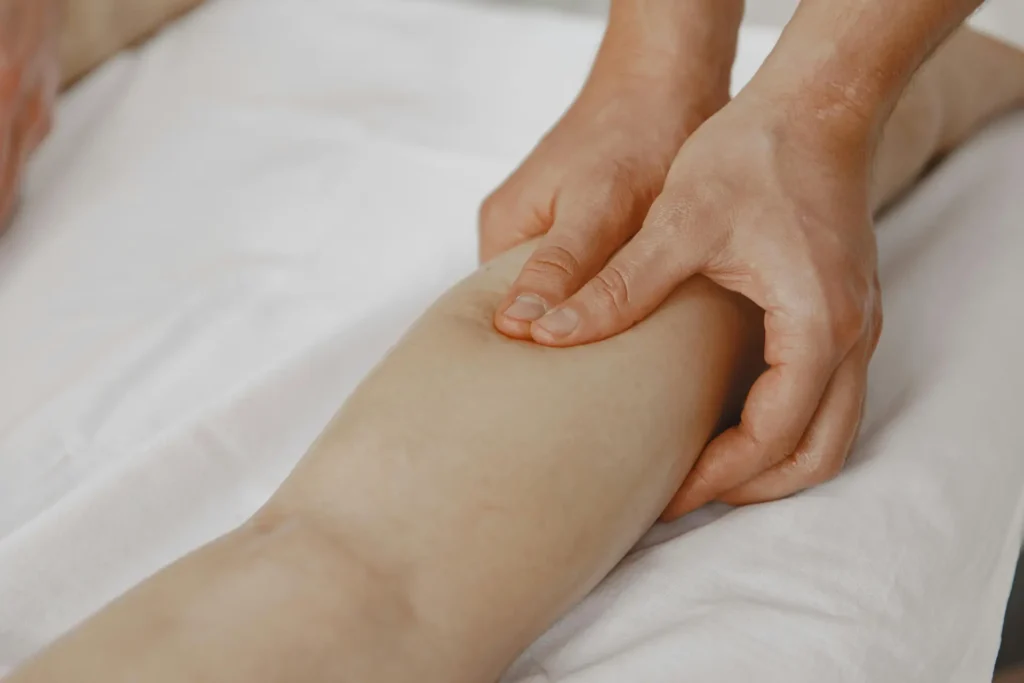
Does lymphatic drainage help swelling in legs or ankles?
It can be part of a plan that includes compression, exercise and skin care if swelling is due to lymphoedema. See NHS guidance and speak with a clinician for assessment.
What’s the difference between MLD and self‑massage (SLD)?
MLD is delivered by a trained therapist; SLD is a simplified technique your clinician can teach you to maintain results at home.
About the Author
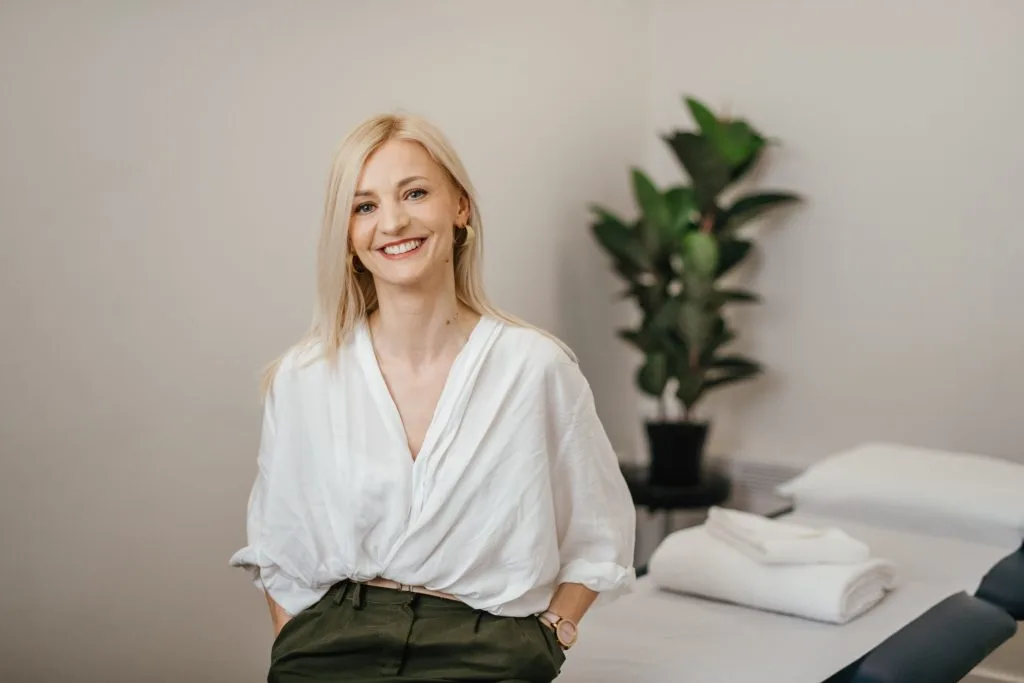
Marta Suchanska is the founder of MɅSSɅGE, a Certified Massage Therapist, Nutritional Therapist, and final-year student of Osteopathic Medicine based in Marylebone, London. With over 10 years of experience, she specialises in a holistic, personalised approach to women’s health and chronic pain. Marta’s mission is to address root causes, helping clients restore balance and long-term wellbeing.
Book Your Massage in Marylebone
Ready to experience the benefits of regular massage?
Book your personalised session at our Marylebone clinic today.
Call us or use our online booking system to schedule your appointment and start your wellness journey.