
The Spring Reset: Lymphatic Drainage, Gut Health & Sustainable Nutrition.
The Spring Reset: Lymphatic Drainage, Gut Health & Sustainable Nutrition. Home / Blog As a
Massage Therapy In Marylebone, London By Marta
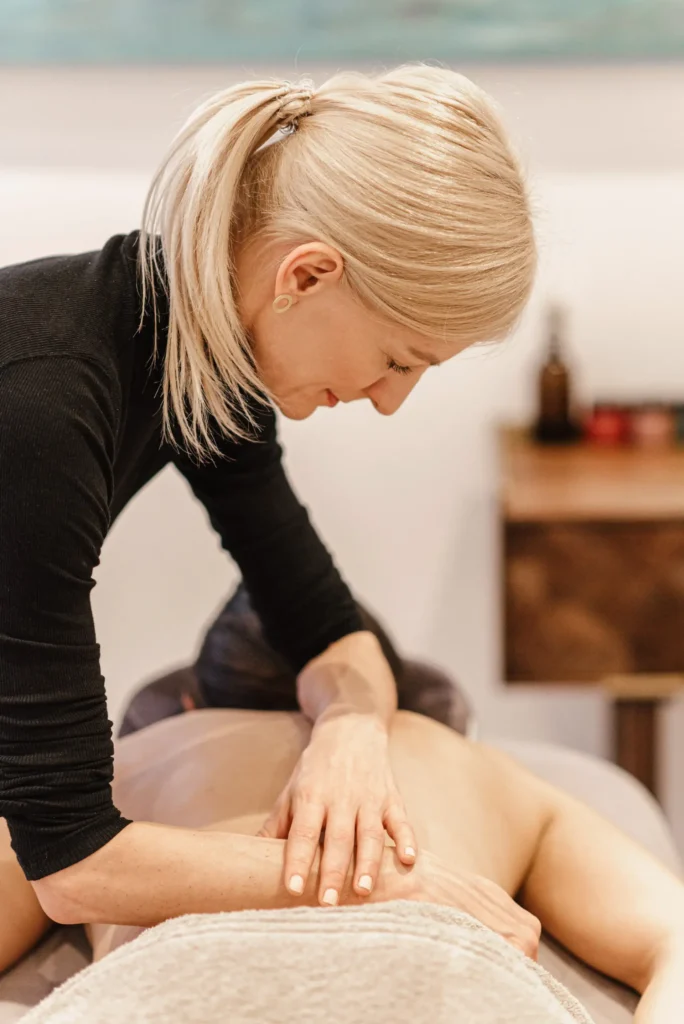
Lower back pain is one of the most common reasons people look for hands-on therapy, movement advice and reassurance. It can feel like a dull ache, a sharp spasm, a deep stiffness across the hips, or pain that travels into the buttock or leg. For many people, lower back pain improves with sensible self-care, movement and time. For others, it keeps returning because the underlying pattern — load, stress, posture, sleep, muscle tension or recovery — has not been addressed.
This guide explains the most common lower back pain causes, the warning signs that need medical attention, and when massage therapy in London may be a helpful part of your recovery plan.
Medical note: This article is educational and does not replace advice from your GP, physiotherapist or medical specialist.
Lower back pain usually refers to discomfort between the lower ribs and the buttocks. The World Health Organization describes low back pain as pain in this region that can be acute, sub-acute or chronic, and notes that non-specific low back pain is the most common presentation.
That last point matters. “Non-specific” does not mean imaginary. It means there is no single obvious disease or structural problem explaining the pain. Your lower back pain may still be very real, painful and limiting — but it may be driven by how your muscles, joints, nervous system and daily habits are coping with load.
There is rarely one single cause. Lower back pain often appears when several small stressors build up until the body reaches a threshold.
Common pain in lower back causes include muscle strain, ligament irritation, prolonged sitting, sudden increases in training, awkward lifting, repetitive bending, poor recovery, stress-related muscle guarding, or stiffness around the hips and pelvis. NHS guidance notes that back pain can have many causes, is not always obvious, and often improves on its own. It also lists pulled muscles, slipped discs, sciatica and inflammatory conditions as possible causes.
A sudden lift, twist or awkward movement can irritate the muscles and connective tissues around the lower back. Sometimes the pain appears immediately. Sometimes it arrives the next morning.
This kind of lower back pain often feels local, tight, sore or “locked”. You may struggle to bend forward, stand up from a chair, or turn in bed. The muscles may not be damaged in a dramatic way; they may simply be guarding to protect the area.
Massage therapy can sometimes help this pattern by reducing muscle tone, improving comfort and making gentle movement feel easier.
Lower back pain can also come from discs, joints or irritated nerve structures. If pain travels into the buttock, thigh, calf or foot, people often call it sciatica. True sciatic nerve irritation may include pain, tingling, numbness or weakness.
This does not automatically mean something dangerous is happening, but leg symptoms deserve attention, especially if they are worsening. Cleveland Clinic lists disc problems, arthritis, structural issues and sciatica among possible lower back pain causes.
Massage does not “push a disc back in”. A responsible massage plan focuses on reducing surrounding tension, improving hip and back mobility, and supporting a wider recovery strategy.
Many London clients notice lower back pain after long desk days, commuting, working from home, or spending hours in one position. The problem is not simply “bad posture”. It is often a lack of movement variety.
Your lower back may become irritated when the hips, glutes, hamstrings, abdominal wall or thoracic spine are not sharing load well. In this case, lower back pain is often a signal that the whole system needs better movement options, not just deeper pressure into the sore spot.
Lower back pain can intensify during stressful periods. When the nervous system is on high alert, muscles can remain guarded, breathing becomes shallow, sleep quality drops and pain sensitivity may increase.
This is where a more integrated massage approach can be useful. It can combine targeted back, hip and glute work with a calming rhythm that helps the body downshift.
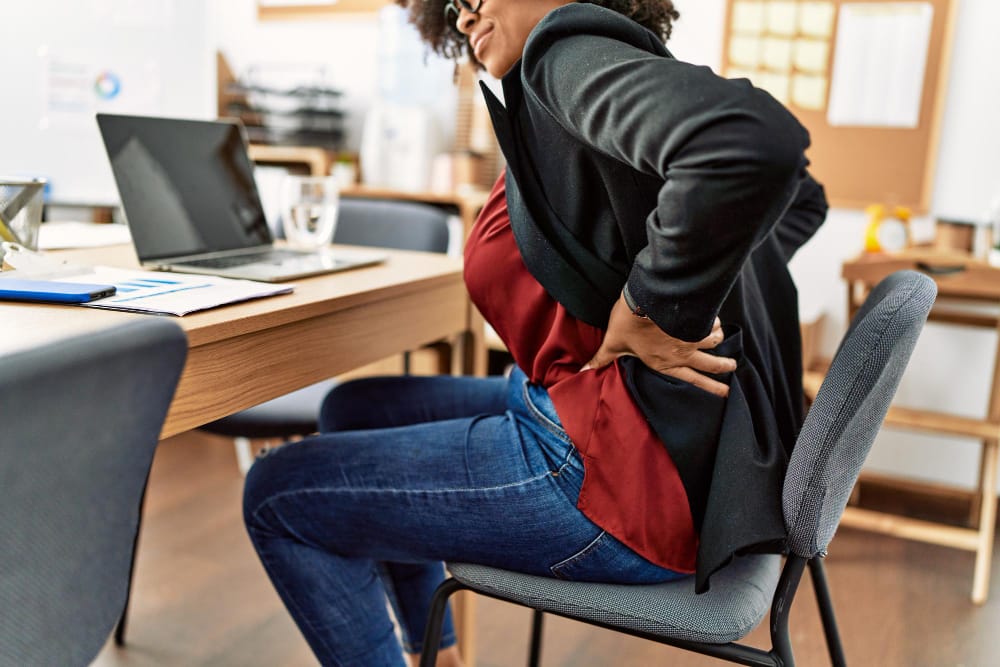
Lower back pain symptoms vary. You may feel:
Mayo Clinic notes that back pain can feel like muscle ache, shooting, burning or stabbing pain, and may radiate down a leg.
The key is not only where the pain is, but how it behaves. Does it improve with movement? Does it worsen at night? Is it linked with fever, numbness, weakness or bladder changes? These details help decide whether self-care, massage or medical assessment is the right next step.
Most lower back pain is not serious, but some symptoms should not be ignored.
Seek urgent medical help if your lower back pain comes with numbness or tingling in both legs, loss of feeling around the genitals or anus, bladder or bowel changes, chest pain, or if it started after a serious accident. NHS guidance lists these as symptoms requiring urgent action.
You should also speak to a GP if lower back pain does not improve after a few weeks of home care, stops normal activities, is worse at night, comes with unexplained weight loss, or makes you worried.
Massage therapy is not the first step when red flags are present. In those cases, medical assessment comes first.
The keyword “what causes lower back pain in females” often reflects a genuine concern: is this muscular, hormonal, pelvic, pregnancy-related, or something else?
In many cases, lower back pain in females has the same mechanical drivers as in males: prolonged sitting, lifting, muscle tension, training overload, stress or low movement variety. However, some women may also experience lower back discomfort linked to menstrual cramps, pregnancy, pelvic symptoms or referred pain. Cleveland Clinic notes that menstrual cramps and pregnancy can be temporary causes of low back pain.
If lower back pain is clearly linked to cycle changes, pelvic pain, unusual bleeding, fever, urinary symptoms, pregnancy concerns, or symptoms that do not behave like mechanical back pain, speak with a GP or appropriate healthcare professional.
When lower back pain feels severe, the first step is not to panic. The second step is to check for red flags. If none are present, the goal is usually to calm symptoms without completely avoiding movement.
NHS self-care advice includes staying active, continuing daily activities where possible, using heat for stiffness or spasm, using ice for pain and swelling, trying appropriate exercises and stretches, and avoiding long periods in bed.
A simple 24–72 hour plan may look like this:
This is where many people make two mistakes. They either do too much too soon, or they stop moving completely. Lower back pain often responds best to a middle path: calm it down, keep safe movement, then rebuild gradually.
Exercises for lower back pain should feel reassuring, not threatening. During an acute flare-up, the goal is not a hard workout. The goal is to restore confidence and comfortable movement.
Good starting options often include short walks, pelvic tilts, cat-cow, knee-to-chest, gentle glute bridges, relaxed breathing and easy hip mobility. Stop any exercise that increases leg symptoms, sharp pain, numbness or weakness.
NHS guidance says exercises and stretches may help, but advises stopping and seeing a GP if pain gets worse.
Sleep can become difficult when the lower back feels guarded. The best position is usually the one that allows your body to relax.
Side sleepers may feel better with a pillow between the knees. Back sleepers may prefer a pillow under the knees. Stomach sleeping can irritate some lower backs because it often increases lumbar extension and neck rotation.
If lower back pain is worse every night, does not improve with rest, or wakes you consistently, this should be discussed with a healthcare professional.
Massage therapy may help lower back pain when the main pattern is muscular tension, guarding, stiffness, stress-related tightness, restricted movement, or discomfort linked to desk work and training load.
NICE guidance recommends considering manual therapy, including soft tissue techniques such as massage, for low back pain with or without sciatica — but only as part of a treatment package that includes exercise, with or without psychological therapy.
That is the most honest way to view massage: not as a miracle cure, but as a valuable tool that can help you move, breathe and recover more comfortably.
Deep Tissue / Remedial Massage may be suitable if your lower back pain feels muscular, stubborn or linked to chronic tension. It uses slower, firmer pressure to target deeper layers of muscle and connective tissue. On the MassageTherapy.London service page, deep tissue massage is described as helpful for chronic muscle tension, stiffness, soreness and office-related lower back pain.
Myofascial Release Therapy may be useful when lower back pain feels broad, stiff, restricted or connected to a pulling sensation through the hips, glutes or back line. This approach uses sustained pressure and slow release techniques to work with fascia and mobility restrictions. MassageTherapy.London describes it as suitable for chronic pain, restricted movement and postural imbalance.
Signature Massage may suit people who need a more personalised approach. It can combine deep tissue work, myofascial release, lymphatic drainage and relaxation massage depending on what your body needs that day.
This can be especially useful when lower back pain is not purely mechanical, but also linked with stress, fatigue, sleep disruption or whole-body tension.
A responsible lower back pain session should begin with a short consultation. Your therapist should ask where the pain is, how it started, what makes it better or worse, whether symptoms travel into the leg, and whether any red flags are present.
Treatment may include work around the lower back, glutes, hips, hamstrings, thoracolumbar fascia, abdominal breathing pattern, upper back or neck. The painful area is not always the only area that matters.
After your session, you should leave with simple aftercare: what to avoid for 24 hours, what movements to keep, and whether another session may be useful. A good massage plan should help you feel more confident in your body, not dependent on treatment forever.
Prevention is not about perfect posture. It is about capacity.
To reduce recurring lower back pain, build a routine that includes regular walking, basic strength work, hip mobility, varied sitting positions, better lifting habits, enough sleep and stress management. Activities such as walking, swimming, yoga and Pilates may help ease back pain, according to NHS guidance.
For London desk workers, the simplest prevention strategy is often this: move before your back complains. Stand up every 45–60 minutes, take short walks, rotate positions and avoid saving all movement for one intense gym session at the end of the day.
If your lower back pain feels muscular, stress-related, desk-driven or movement-limited — and you do not have red-flag symptoms — a targeted massage session may help you feel more comfortable and move with more confidence.
Book your lower back pain massage in London today and choose the approach that fits your body: Deep Tissue / Remedial Massage, Myofascial Release Therapy, or a personalised Signature Massage.
Common lower back pain causes include muscle strain, ligament irritation, prolonged sitting, sudden increases in activity, awkward lifting, disc irritation, joint stiffness, stress and poor recovery.
Seek urgent help if lower back pain comes with bladder or bowel changes, numbness around the genitals or anus, weakness or numbness in both legs, chest pain, or pain after a serious accident.
Massage may help lower back pain when muscle tension, guarding, stiffness or stress are contributing factors. NICE recommends manual therapy such as massage only as part of a wider package that includes exercise.
Lower back pain in females is often mechanical, but it can also be linked to menstrual cramps, pregnancy, pelvic symptoms or referred pain. If symptoms are cyclical, unusual or linked with pelvic concerns, speak with a GP.
Gentle walking, pelvic tilts, cat-cow, knee-to-chest and easy glute bridges are common starting points. Stop if pain worsens or symptoms travel further down the leg.
Try side sleeping with a pillow between your knees or back sleeping with a pillow under your knees. Choose the position that reduces guarding and helps you relax.
In most non-urgent cases, gentle movement is better than long bed rest. NHS guidance advises staying active where possible and not staying in bed for long periods.

Marta Suchanska is the founder of MɅSSɅGE, a Certified Massage Therapist, Nutritional Therapist, and final-year student of Osteopathic Medicine based in Marylebone, London. With over 10 years of experience, she specialises in a holistic, personalised approach to women’s health and chronic pain. Marta’s mission is to address root causes, helping clients restore balance and long-term wellbeing.
Book Your Massage in Marylebone
Ready to experience the benefits of regular massage?
Book your personalised session at our Marylebone clinic today.
Call us or use our online booking system to schedule your appointment and start your wellness journey.
The Spring Reset: Lymphatic Drainage, Gut Health & Sustainable Nutrition. Home / Blog As a
Deep Tissue Massage London vs Myofascial Release London: An Expert Guide Home / Blog If