
The Spring Reset: Lymphatic Drainage, Gut Health & Sustainable Nutrition.
The Spring Reset: Lymphatic Drainage, Gut Health & Sustainable Nutrition. Home / Blog As a
Massage Therapy In Marylebone, London By Marta
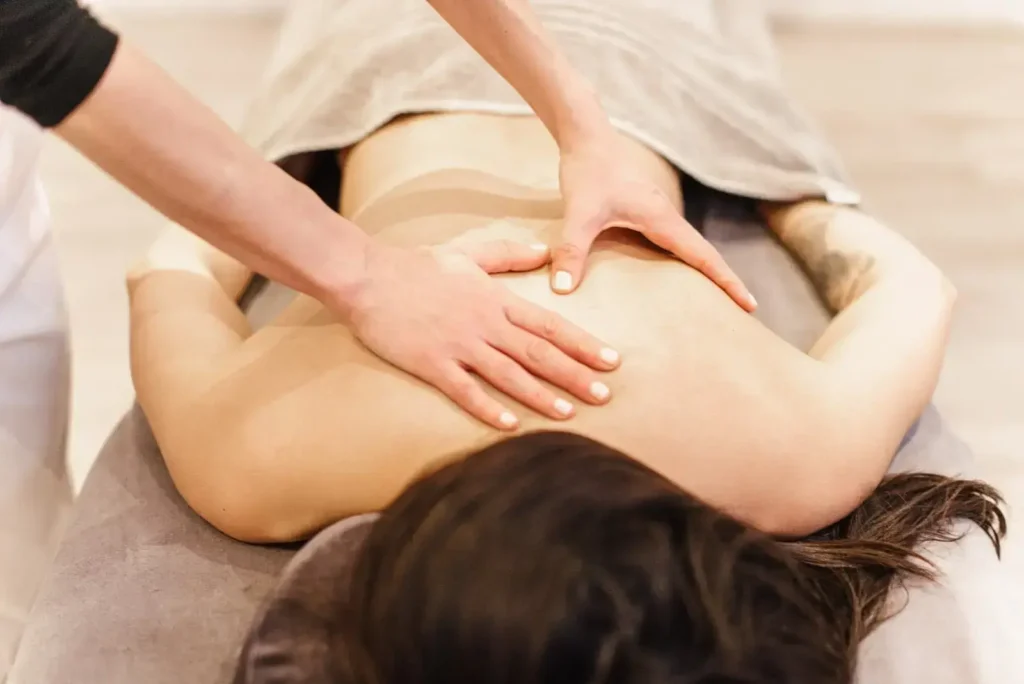
A signature massage is ideal when you know your body needs care, but you are not sure whether to book deep tissue, myofascial release, lymphatic drainage, or a relaxing massage. Instead of asking you to choose one fixed treatment from a menu, a signature massage gives your therapist room to create a personalised session around your body, your goals, and how you feel on the day.
At MassageTherapy.London in Marylebone, the signature massage is a 90-minute treatment designed to blend therapeutic and relaxing techniques into one complete experience. It can be firm, gentle, restorative, focused, calming, or all of these at different stages of the same appointment.
The simplest signature massage meaning is this: it is a personalised massage treatment created around the therapist’s specialist approach and the client’s individual needs. Unlike a standard massage that follows one fixed style, a signature massage can combine several methods in one session.
That means your therapist may use deeper pressure for areas of chronic tightness, slower myofascial techniques for restricted tissue, lighter flowing movements to calm the nervous system, and gentle lymphatic-style work where the body needs a softer approach.
A signature massage is not random. It is structured, but flexible. The treatment begins with a conversation about your body, your preferences, your pressure tolerance, and what you want from the session. From there, the therapist chooses the most suitable techniques.
“Signature body massage” is another way people describe a full-body or body-focused signature massage. The phrase usually means a complete massage experience rather than a single technique.
For example, one client may need most of the session focused on neck, shoulders, back, and hips after long hours at a desk. Another may need a full-body reset with extra attention to legs, lower back, arms, and breathing space around the ribs. Someone else may want a deeply calming session with just enough deeper work to ease stubborn tension.
The value of a signature massage is that it adapts. It is not simply “relaxing massage with a luxury name”. It is a personalised treatment that uses the right tools at the right time.

A standard massage can be excellent when you already know exactly what you want. If you want firm, focused pressure, deep tissue massage may be right. If you want a quiet hour to unwind, relaxing massage may be enough. If you want very specific fascial work, myofascial release therapy may be the best fit.
But many people do not fit neatly into one category. You might have tight shoulders and stress. You might have lower back discomfort and poor sleep. You might want therapeutic results but still want to leave feeling calm rather than overworked. This is where a signature massage becomes especially useful.
A signature massage allows your therapist to combine approaches rather than forcing your body into one style. It is particularly helpful when your symptoms change from week to week, or when you want a more complete treatment than a short, single-focus massage can provide.
At MassageTherapy.London, the signature massage therapy approach is based on integration. The Signature Massage service is described as a 90-minute personalised session that can include deep tissue work, myofascial release, lymphatic drainage, and relaxation massage, depending on what your body needs.
The session starts with a consultation. You can discuss current discomfort, lifestyle, stress levels, sleep, training, posture, recent injuries, and any areas you want to avoid. You can also say whether you prefer lighter, medium, or firmer pressure.
From there, the therapist builds the treatment. The aim is not just to work hard on tight muscles. The aim is to create a balanced session that supports relief, recovery, mobility, and deep relaxation.
Deep tissue techniques may be used when there is persistent muscular tension, stiffness, or a need for firmer therapeutic work. At MassageTherapy.London, deep tissue massage is described as using firm pressure and slow, deliberate strokes to target deeper muscle and connective tissue, especially where there is chronic tension or physical stress.
Within a signature massage, deep tissue work can be focused rather than overwhelming. For example, your therapist may use deeper techniques on the upper back and hips, then shift into slower calming work elsewhere
Myofascial release therapy focuses on fascia, the connective tissue network around muscles and structures in the body. It often uses slow, sustained pressure rather than continuous strokes. In a signature massage, myofascial release can be useful when tension feels “stuck”, when movement feels restricted, or when standard massage gives only short-term relief.
Manual lymphatic drainage is a softer, more specialised approach. In a signature massage, lymphatic-style techniques may be included where the body benefits from gentler work, especially when the treatment needs to feel soothing rather than intense.
This does not mean every signature massage becomes a lymphatic drainage treatment. It means your therapist has more options available and can adapt the rhythm and pressure to your needs.
Relaxation is not an afterthought. Many people arrive for a signature massage with muscle tension that is connected to stress, poor sleep, emotional load, or a constantly busy schedule. Gentle flowing massage can help the body shift into a calmer state.
This is why a signature massage can feel different from a purely clinical treatment. It can address physical tension while still giving your nervous system time to settle.
A short massage can be helpful, but it often limits what can be achieved. A proper signature massage needs time. The MassageTherapy.London Signature Massage is designed as a 90-minute treatment, giving enough space to assess priorities, work thoroughly, and blend different techniques without rushing.
In practical terms, 90 minutes means your therapist can focus on key areas while still treating the body as a connected whole. For example, shoulder tension may also involve the neck, chest, back, ribs, and arms. Lower back tightness may relate to hips, glutes, hamstrings, breathing patterns, and stress.
A signature massage gives time to work intelligently rather than simply chasing symptoms.
The benefits of a signature massage depend on your body and the techniques used. However, the main advantages are personalisation, flexibility, and a more complete treatment experience.
If you carry tension in your shoulders, neck, back, jaw, hips, or legs, a signature massage can be adapted to focus on those areas. The therapist can use firmer or slower work where needed and reduce pressure where tissue feels sensitive.
This makes a signature massage a good choice for people who want effective hands-on therapy but do not want an entire session to feel intense.
Massage is often booked for physical reasons, but many clients also need mental and emotional decompression. A signature massage can include calming, rhythmic techniques to help you slow down and reconnect with your body.
For busy London clients, this can be one of the biggest reasons to book. You are not only paying for muscle work; you are creating time where your body is not being asked to perform, rush, or hold everything together.
Massage therapy should not be presented as a cure-all, and persistent pain should be assessed appropriately. However, manual therapy can be part of a broader approach for some musculoskeletal issues.
For clients, the practical takeaway is simple: a signature massage can be a valuable part of self-care, recovery, and pain-management support, especially when combined with movement, rest, medical advice where needed, and better daily habits.
Because a signature massage can include deep tissue, myofascial release, and stretching-inspired work, it may help you feel freer in areas that have become tight or restricted. Many clients also leave with a clearer sense of where they hold tension and what patterns may be contributing to it.
This is useful for desk workers, active people, parents, performers, and anyone who feels their body is constantly adapting to stress.
Choosing the right massage can feel confusing, especially if you want both results and relaxation. Here is a simple way to decide.
Choose signature massage if you want a personalised treatment that can combine several techniques in one session. It is ideal when you have mixed goals, such as tension relief, stress reduction, mobility support, and deep relaxation.
Choose deep tissue massage if your main goal is firm, focused work on chronic muscle tightness. This may suit you if you prefer strong pressure and have specific muscular areas that need attention.
Choose relaxing massage if your main goal is calm, rest, and general softening rather than targeted therapeutic work.
The advantage of a signature massage is that it does not force you to choose only one. It can include deeper work where needed and relaxing work where your body needs to downshift.
A signature massage is especially suitable for people who want a more tailored experience than a standard massage. It may be right for you if you work long hours at a desk and feel tight through the neck, shoulders, back, or hips; feel stressed and physically tense at the same time; want therapeutic work but dislike overly painful massage; are not sure whether to choose deep tissue, myofascial release, lymphatic drainage, or relaxation massage; want a 90-minute treatment that feels complete; or prefer a therapist-led approach where the session adapts to your body on the day.
It is also a good option if you are new to massage and want guidance. Instead of guessing from a treatment menu, you can explain what you feel and let the therapist shape the session.
Before your signature massage, you will have a short consultation. This is where you discuss what you want help with, your pressure preferences, any injuries or medical considerations, and how you want to feel after the treatment.
During the session, the therapist may change technique, pressure, pace, and focus areas depending on how your body responds. Communication is welcome. If something feels too strong, too light, uncomfortable, or especially helpful, say so. A good signature massage should feel collaborative.
After the treatment, you may feel lighter, calmer, more mobile, or deeply rested. Some people feel immediate relief; others notice the biggest difference later that day or the next morning. Drink water, avoid rushing into intense exercise straight away, and give your body time to absorb the work.
Massage is generally suitable for many people, but there are times when you should postpone treatment or ask for medical guidance. You should tell your therapist about pregnancy, recent operations, blood clotting conditions, cancer treatment, unexplained swelling, active infection, fever, skin conditions, recent injury, or any medical diagnosis that may affect hands-on therapy.
A safe signature massage starts with the right information.
A signature massage is a personalised massage treatment that combines selected techniques to suit your body, goals, and preferences. Instead of following one fixed routine, the therapist adapts the session to what you need on the day.
Signature massage therapy means a therapist-led, customised massage approach. At MassageTherapy.London, it may include deep tissue work, myofascial release, lymphatic drainage, and relaxing massage techniques in one 90-minute session.
The signature massage meaning is a treatment that reflects the therapist’s specialist style while being personalised for the client. It is usually the clinic’s distinctive, all-in-one massage experience.
A signature massage can be full body, but it does not have to be. If you need targeted work on the back, shoulders, hips, or legs, the therapist can prioritise those areas while still creating a balanced treatment.
It depends on your goal. Deep tissue massage is best when you specifically want firm, focused work on deeper muscle tension. A signature massage is better when you want a blend of techniques, more flexibility, and a balance between therapeutic relief and relaxation.
At MassageTherapy.London, the signature massage is a 90-minute session. This gives enough time to combine different techniques and treat the body more completely.
Yes. You can request focus areas or techniques, such as deeper work, myofascial release, gentler relaxation, or lymphatic-style work. Your therapist will also advise what is appropriate for your body and goals.
Yes. A signature massage can be a good first massage because you do not need to know exactly which style to choose. You can explain how you feel, and the therapist can guide the session.

Marta Suchanska is the founder of MɅSSɅGE, a Certified Massage Therapist, Nutritional Therapist, and final-year student of Osteopathic Medicine based in Marylebone, London. With over 10 years of experience, she specialises in a holistic, personalised approach to women’s health and chronic pain. Marta’s mission is to address root causes, helping clients restore balance and long-term wellbeing.
Book Your Massage in Marylebone
Ready to experience the benefits of regular massage?
Book your personalised session at our Marylebone clinic today.
Call us or use our online booking system to schedule your appointment and start your wellness journey.
The Spring Reset: Lymphatic Drainage, Gut Health & Sustainable Nutrition. Home / Blog As a

Deep Tissue Massage London vs Myofascial Release London: An Expert Guide Home / Blog If